J Hotel Shanghai Center
Hospitality Lighting | Shanghai, China
Above the Clouds, J Hotel Shanghai Center Dazzles
Ten years of grinding a "J", by the Shanghai Urban Investment, Jinjiang International and other state-owned cooperation to build the Shanghai Center J Hotel finally ushered in the grand bloom.
The "J", which looks like the blooming petals of a magnolia flower, is not only a symbol of the name, but also a symbol of the rise of the influence of the independent high-end national hotel brand "J".
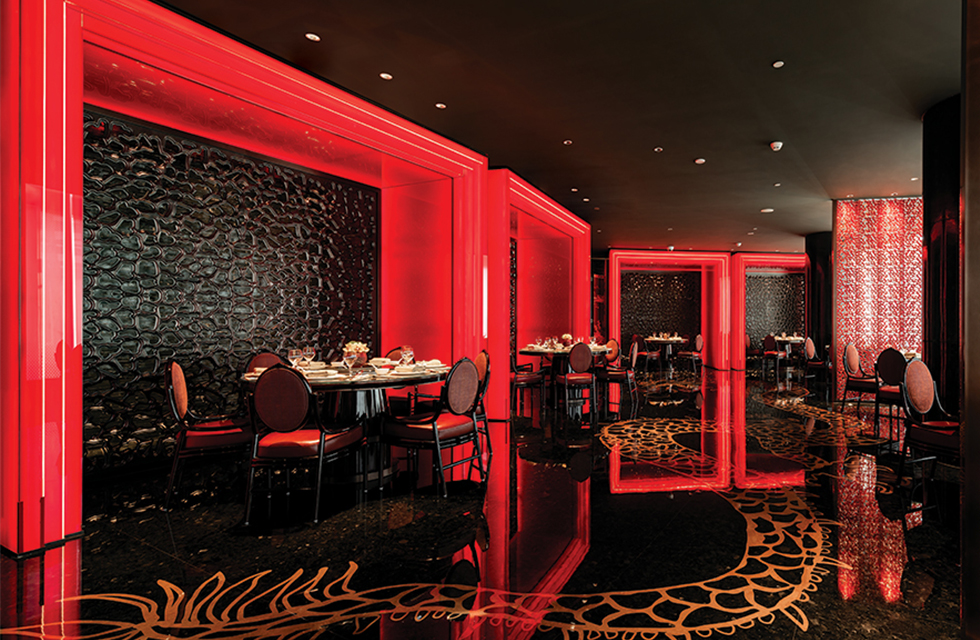
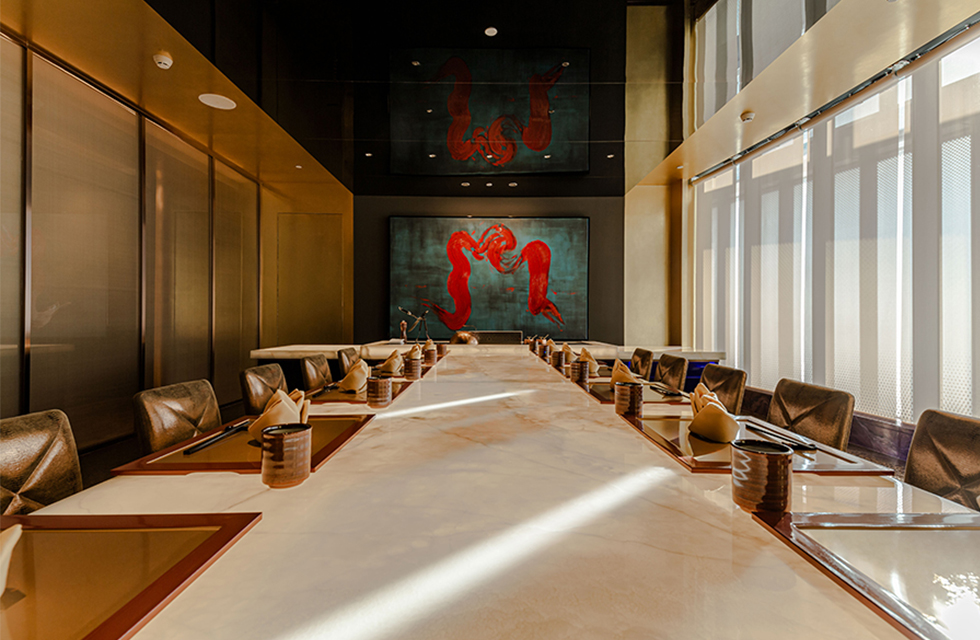
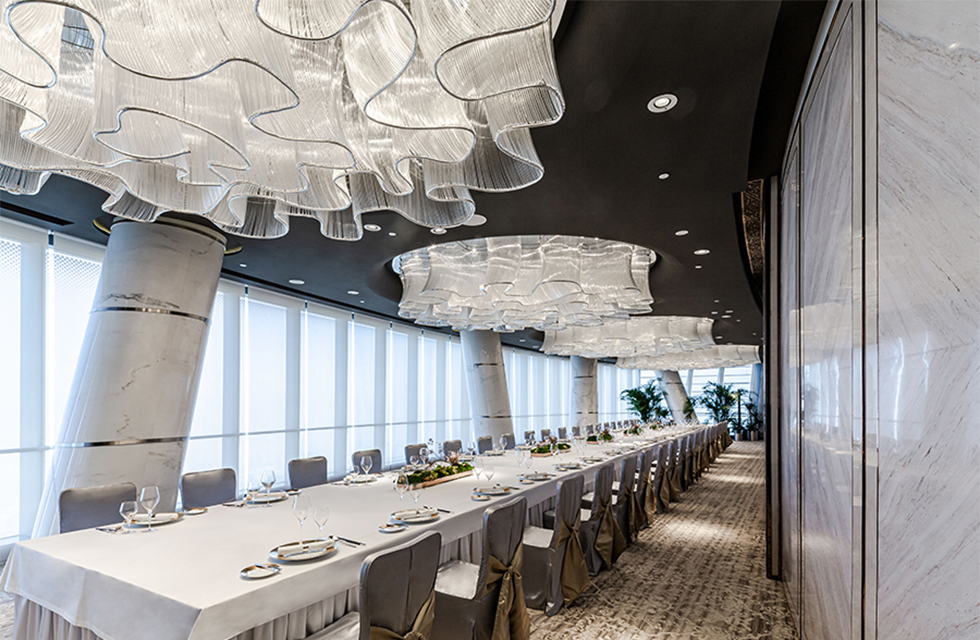
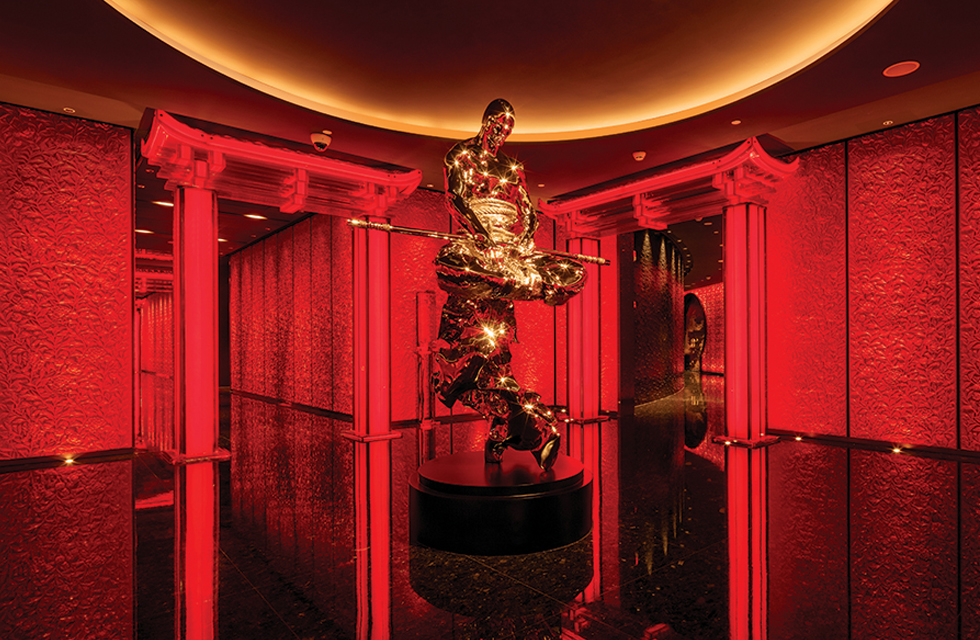
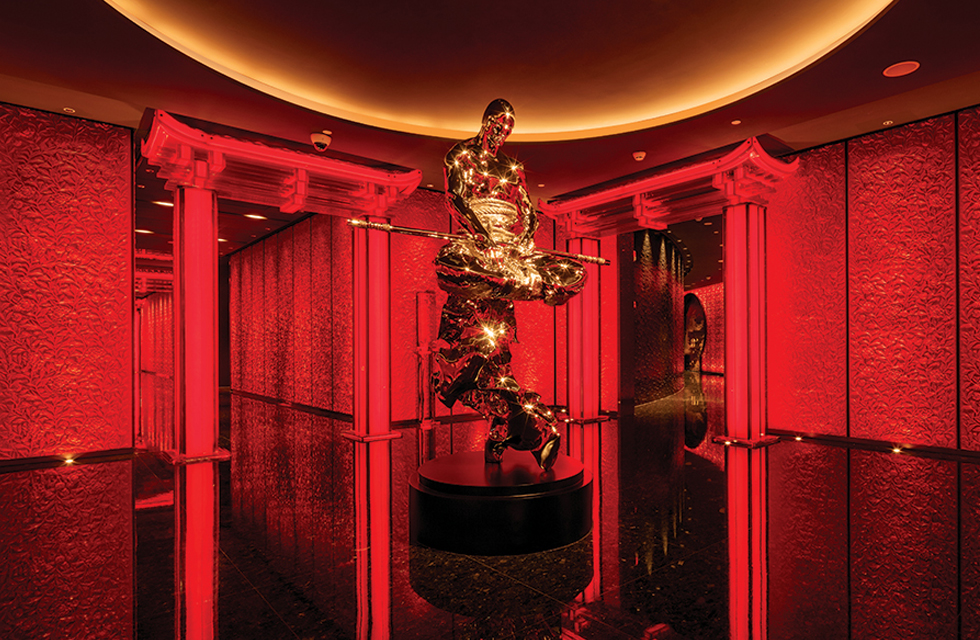
The main body of J Hotel Shanghai Center is located on the 84th to 120th floors of the Shanghai Center Tower, one of the highest hotels in the world. Due to its spiral design appearance, J Hotel has a unique view from each place, from morning and evening to the end of the day, from the Huangpu River on both sides of the bustling city views, from the clouds to feel a different kind of Shencheng. As the first flagship store of the J brand, J Hotel Shanghai Center aims to create a feast of contemporary art aesthetics and traditional Chinese culture in the world's trendiest city - Shanghai. The 103rd floor Jin Feast Chinese restaurant is based on the traditional Chinese red color, and the sculpture "Sitting and Watching the Clouds Rise" with oriental characteristics hits the eye, and the collision of red and gold conveys the beauty of traditional Chinese culture to the guests; the 104th floor Jin Shang Tansha Japanese restaurant, with black as the dominant color, and under the effect of light, the gold color glitters with an eye-catching radiance; and the highest 120th floor Tian Zhi Jin restaurant is just as the name suggests, with a pure space and flowers. The space is pure, flowery and thin as a cloud brocade, and the circular design has an excellent view angle.
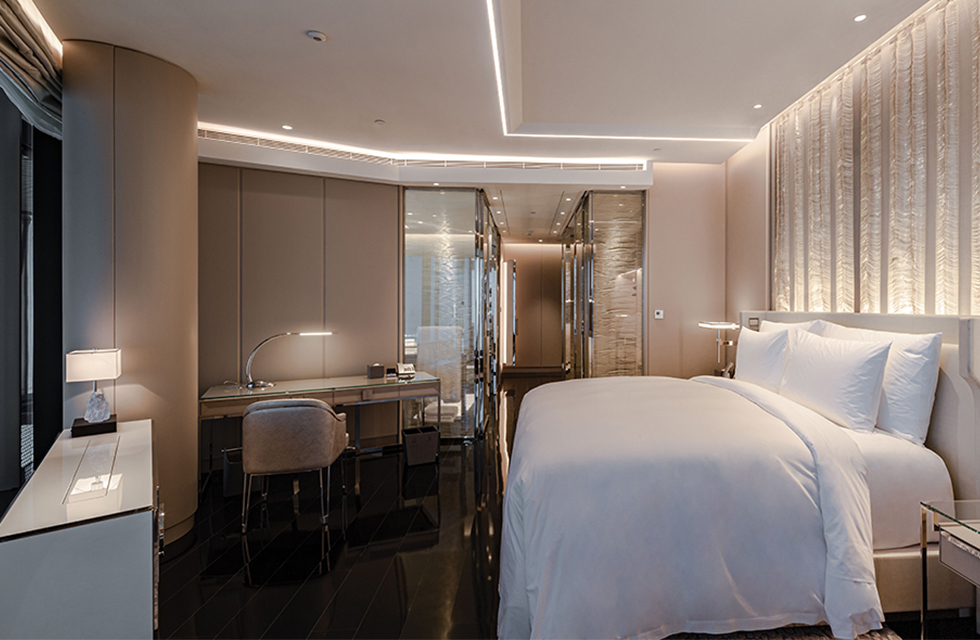
WAC provides lighting fixtures for the main spaces of the J Hotel Shanghai Center, including the guest rooms, restaurants, and public areas. They are either hidden in the wall, recessed, or embedded in the ceiling, silently shaping the space, where the light is omnipresent and unobtrusive, integrating with the architecture, materials, and nature.