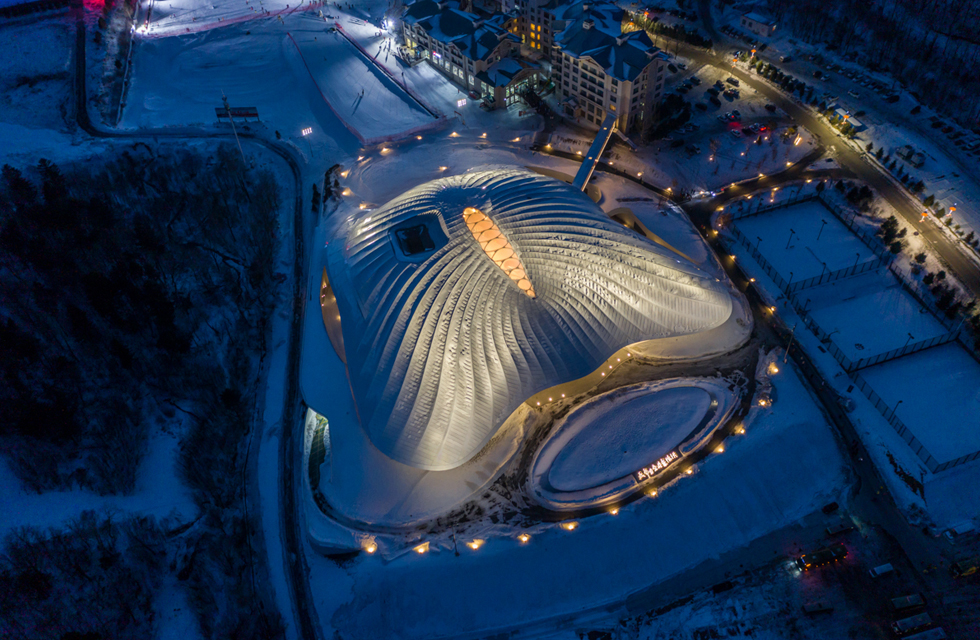
Shenzhen Natural History Museum
Museums & Galleries Lighting | Guangdong, China
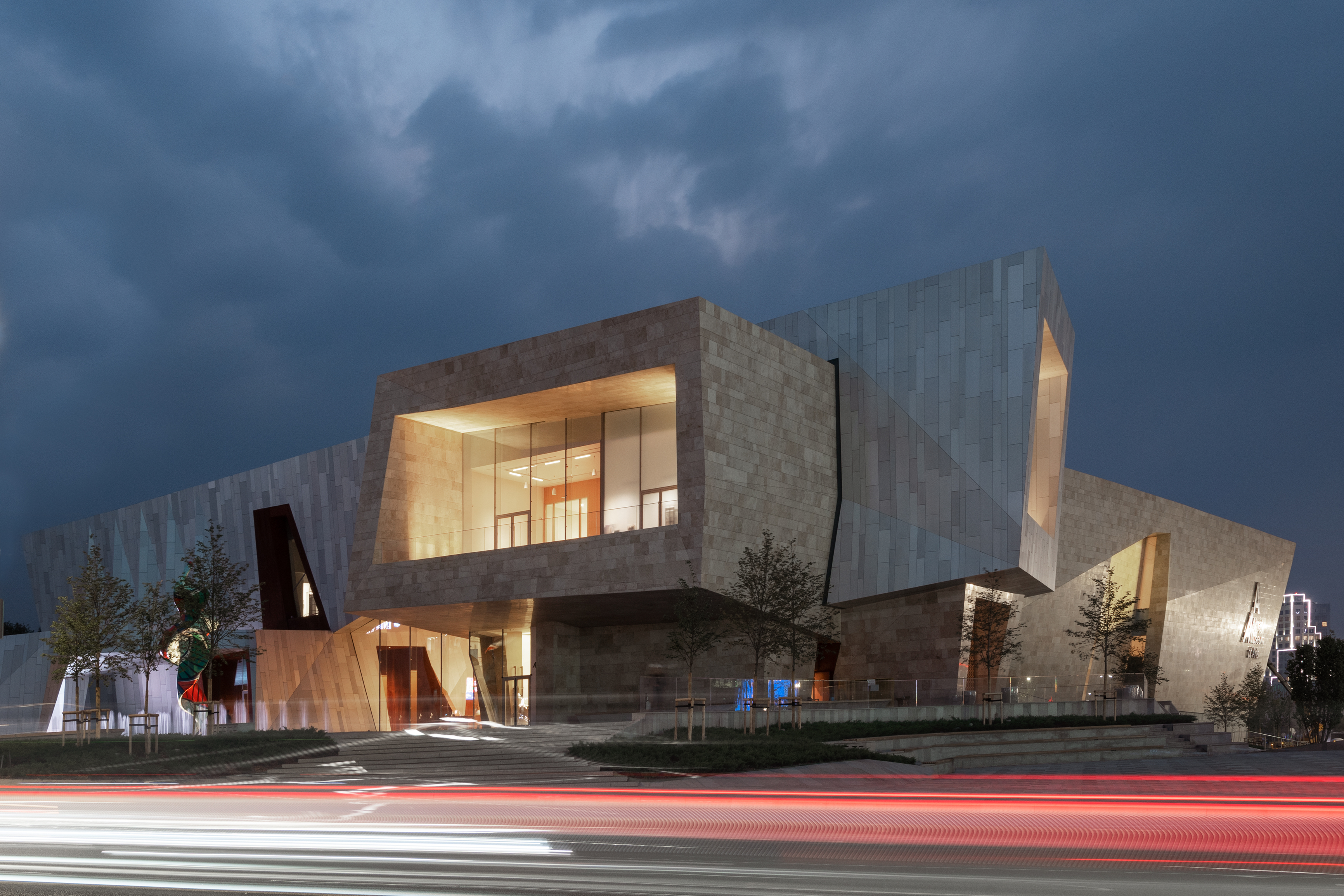
With 7,461 authentic specimens, 338 replica models, and 194 exhibits (perhaps change to more than 7,000 authentic specimens, 300 replica models, and 190-plus exhibits), the museum creates a continuous journey from the origins of the universe to the natural world we call home.
Immersive environments, interactive exhibits, and advanced digital technologies play a central role throughout the museum, placing new demands on the lighting design.
WAC provided architectural Lighting solutions for six galleries, addressing a wide range of applications—from creating visual hierarchy in open exhibition spaces to precise lighting within showcases, as well as customized solutions for large-scale natural history models.
The result is a flexible lighting approach that supports both the exhibition narrative and the visitor experience.
COSMOS HALL
Cosmos Hall is defined by a semi-curved spatial layout and a series of immersive three-dimensional exhibition zones.

Curved Wall Illumination
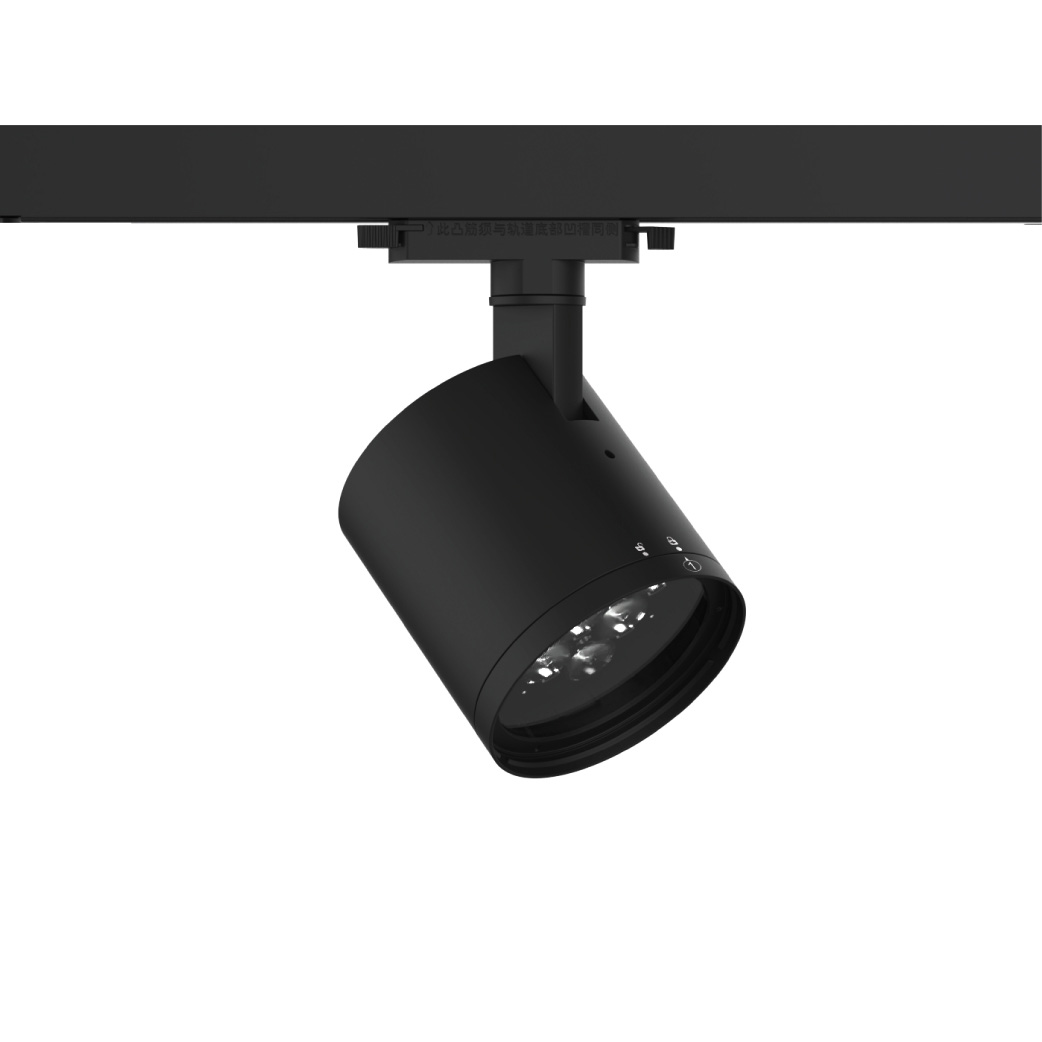
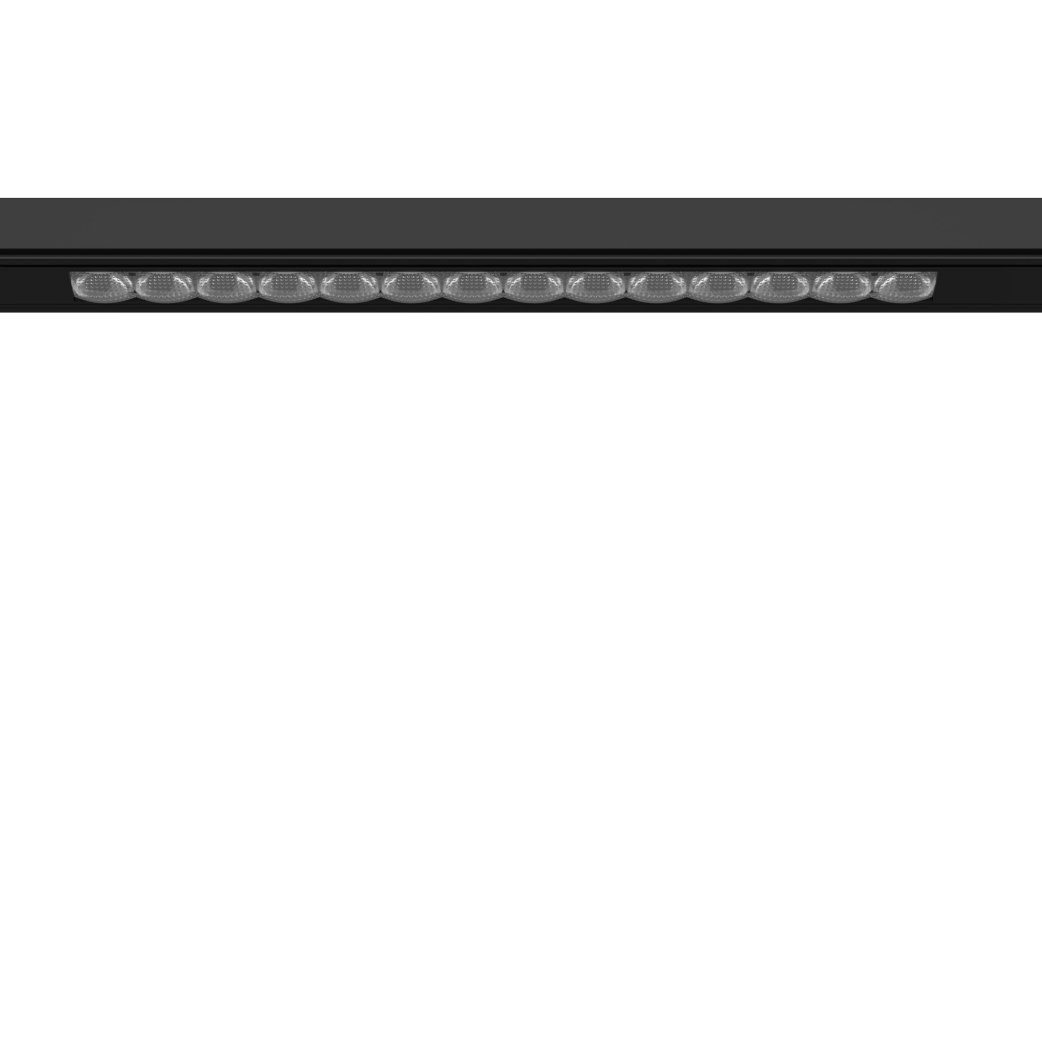
To illuminate the curved exhibition walls, SWALLOW Ⅲ track-mounted wall washers were installed throughout the ceiling.
The wall-washing distribution provides smooth and consistent vertical illumination while minimizing glare and light spill onto the floor, helping maintain a comfortable visual environment throughout the gallery.
Integrated Lighting Around the Dome
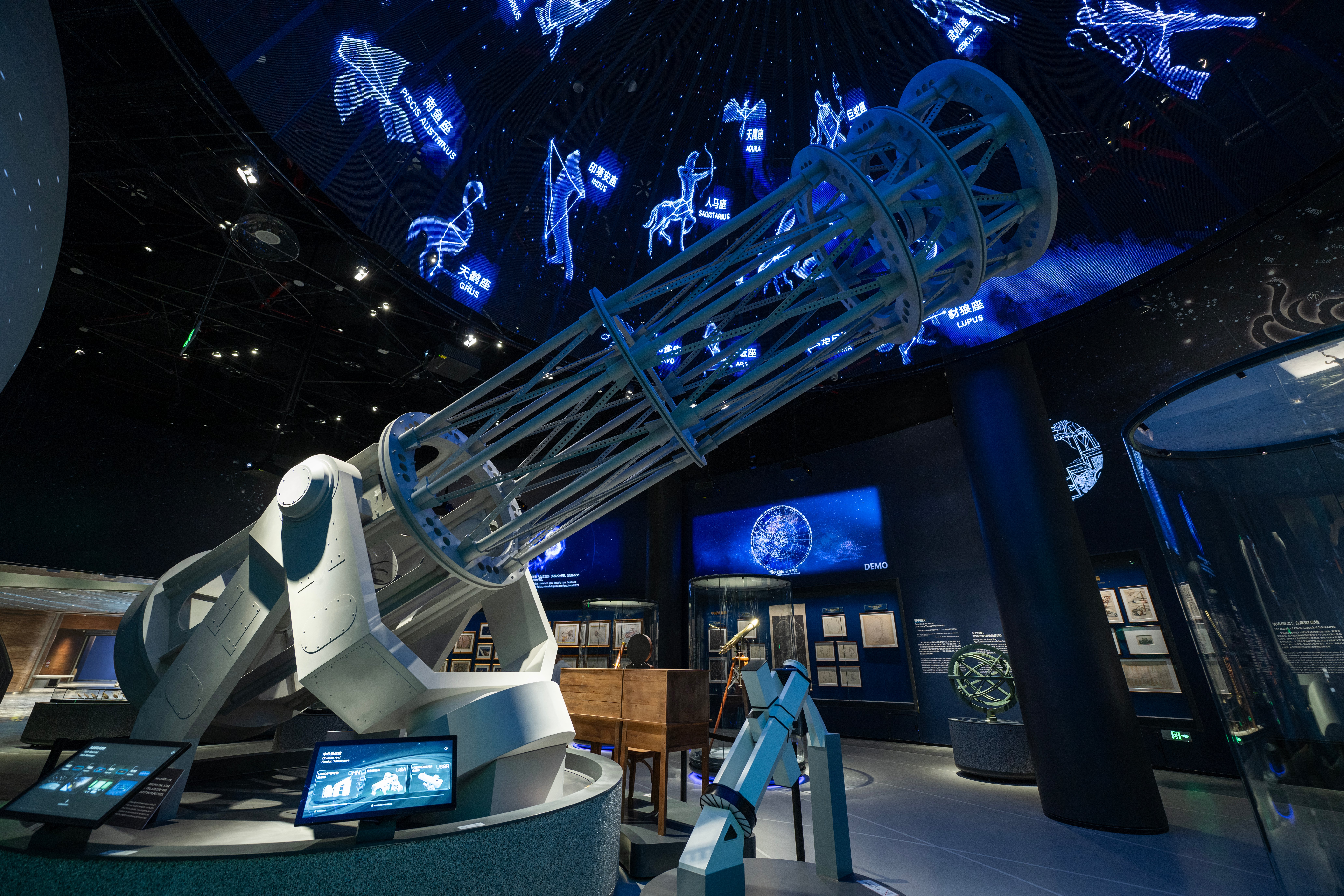
In the radio telescope area, the exhibition is enclosed by a large LED dome representing the cosmos. To preserve the visual integrity of the dome, WAC developed a custom circular track around the perimeter of the LED structure. Swallow Ⅲ track luminaires were mounted flush with the lower edge of the dome, keeping the lighting equipment visually discreet while delivering controlled and uniform illumination to the exhibits below. This integrated approach allows the lighting to support the display without competing with the immersive digital environment.
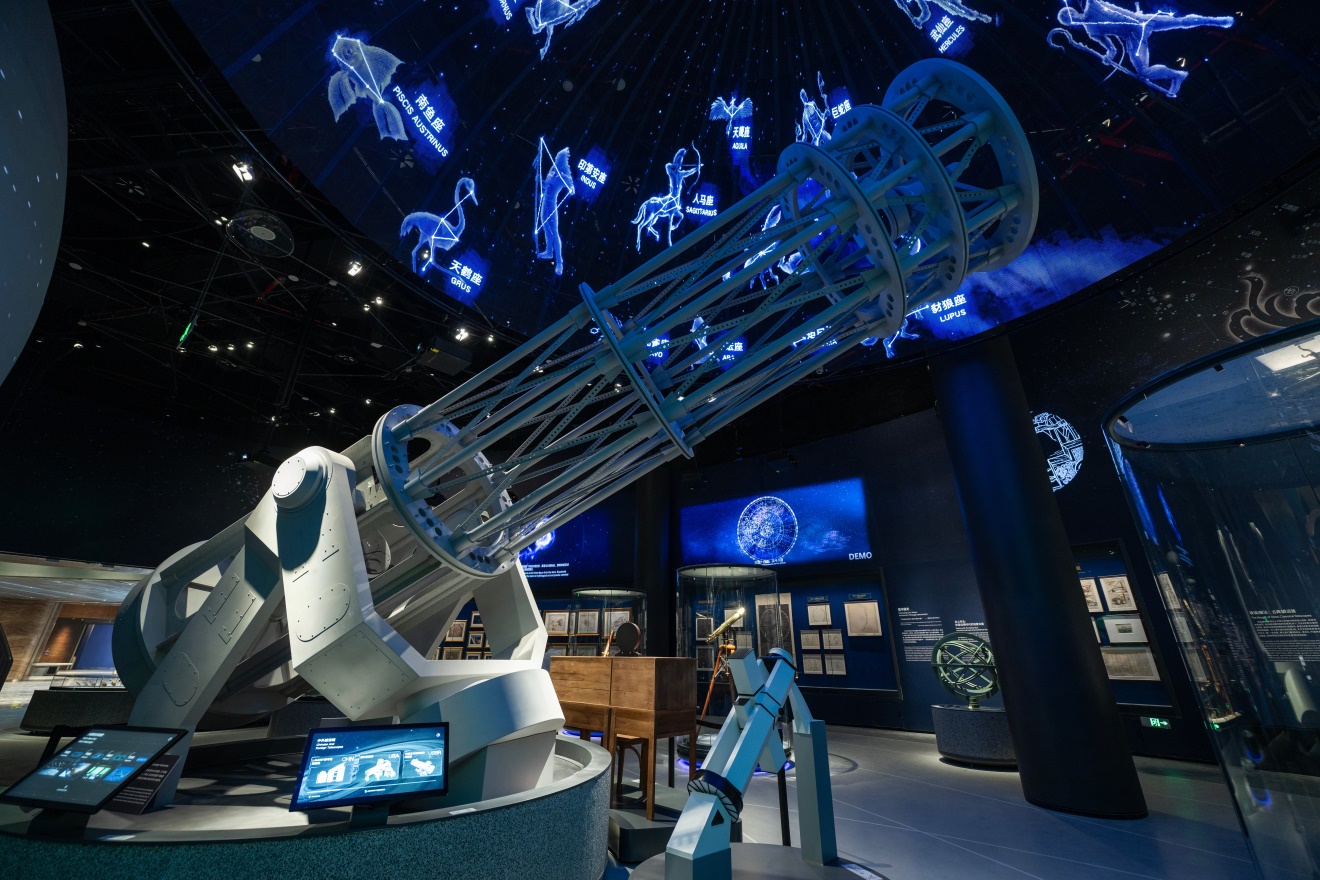
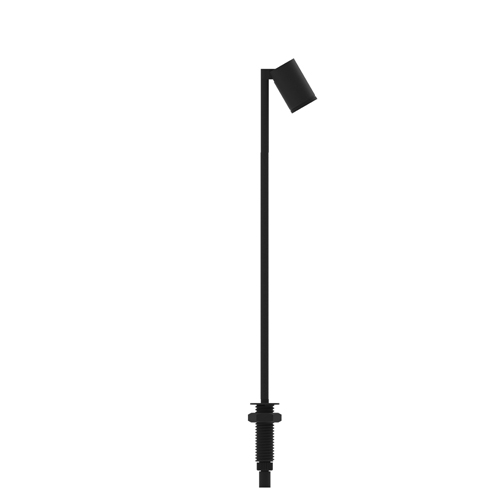
For mineral exhibits, Ocularc Focus Adjustable Pole showcase luminaires provide focused illumination that reveals natural textures, surface details, and material characteristics.
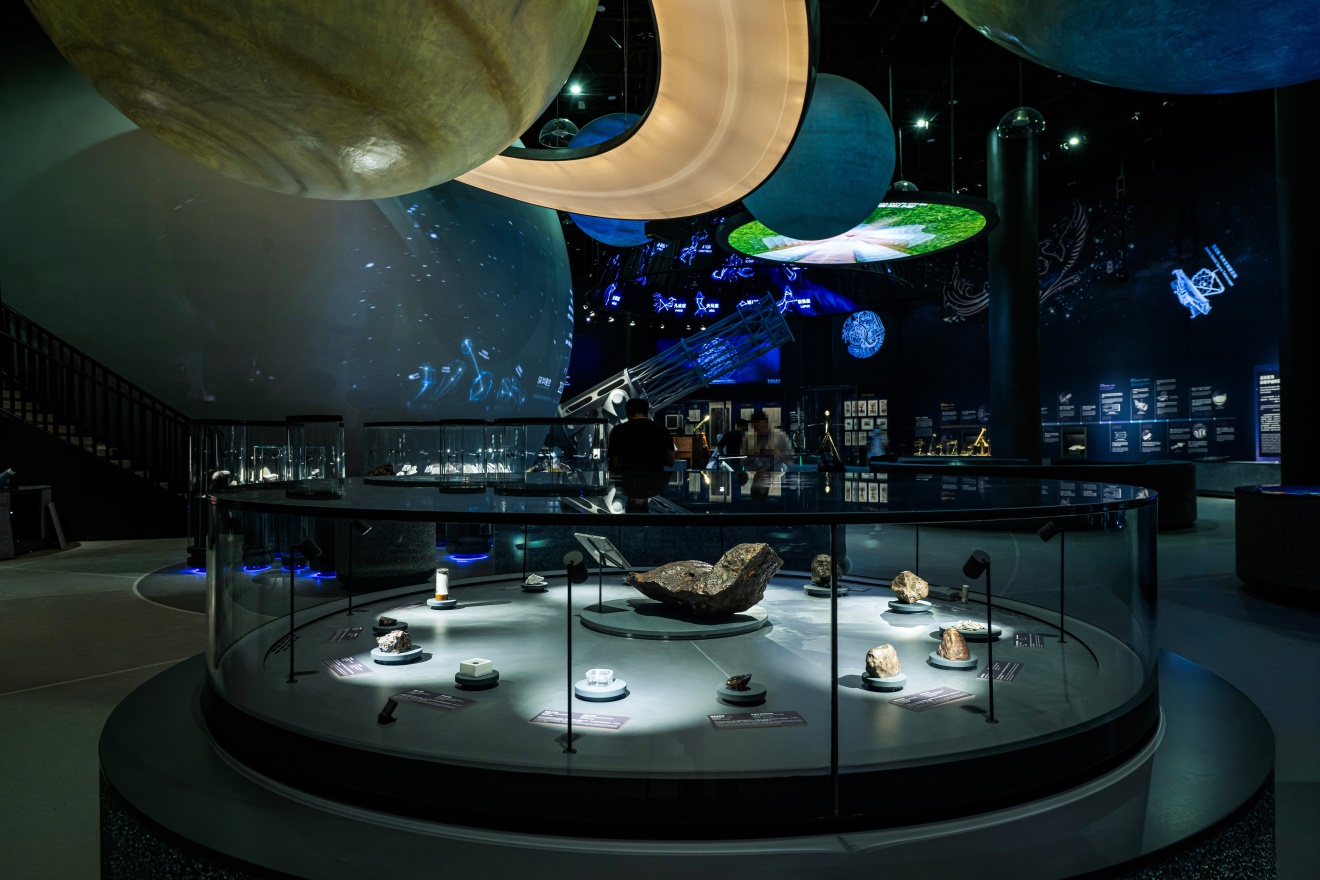
Showcase Lighting
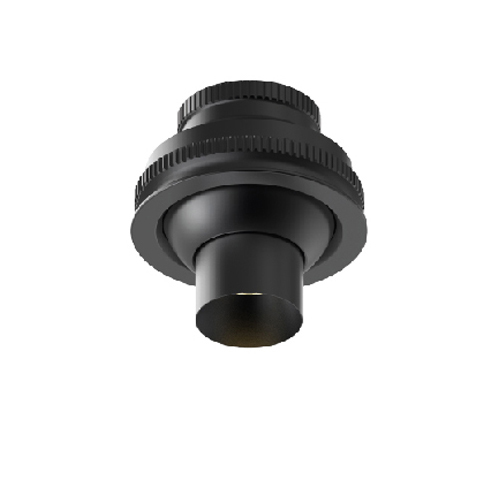
Astronomical instruments are illuminated with Ocularc track-mounted showcase luminaires, allowing flexible positioning and broader, even illumination across objects of different scales.
EARTH HALL
The lighting approach in Earth Hall is intentionally restrained, creating a clear visual hierarchy while allowing the exhibits to remain the primary focus. The lighting strategy addresses three key layers: graphics on exhibition walls, feature displays, and showcase interiors. Sufficient ambient illumination provides visual interest, while carefully controlled contrast directs attention toward important exhibits.
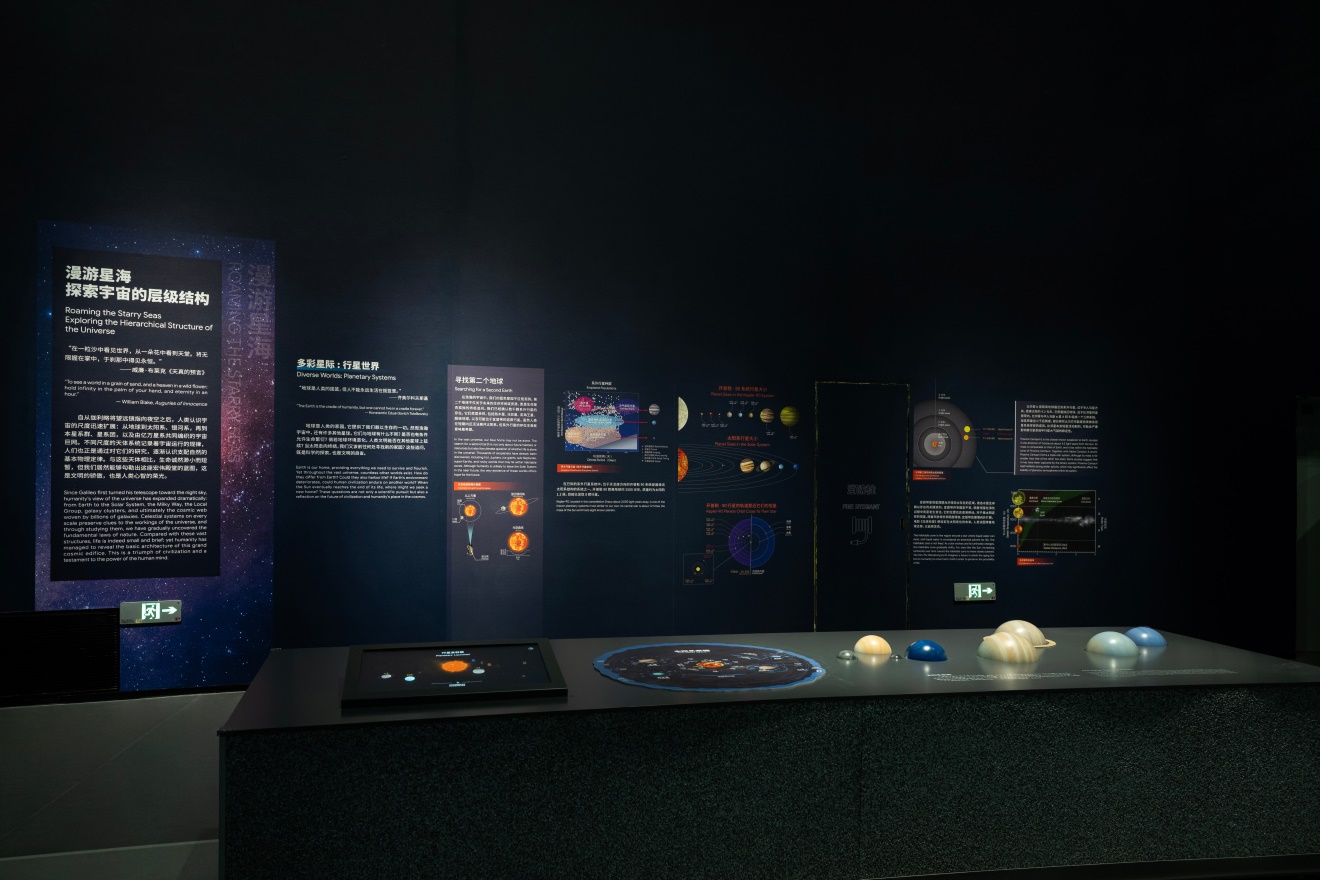
Exhibition Walls
Swallow Ⅲ track luminaires provide both wall wash and accent lighting throughout the gallery.
A range of 6°, 15°, 24°, 36° and 55° beam angles, together with 15° × 55° and 25° × 55° asymmetric distributions, allows the lighting to adapt to different graphic layouts and display formats.
This flexibility enables the exhibition walls to maintain consistent illumination while supporting the visual rhythm of the gallery.
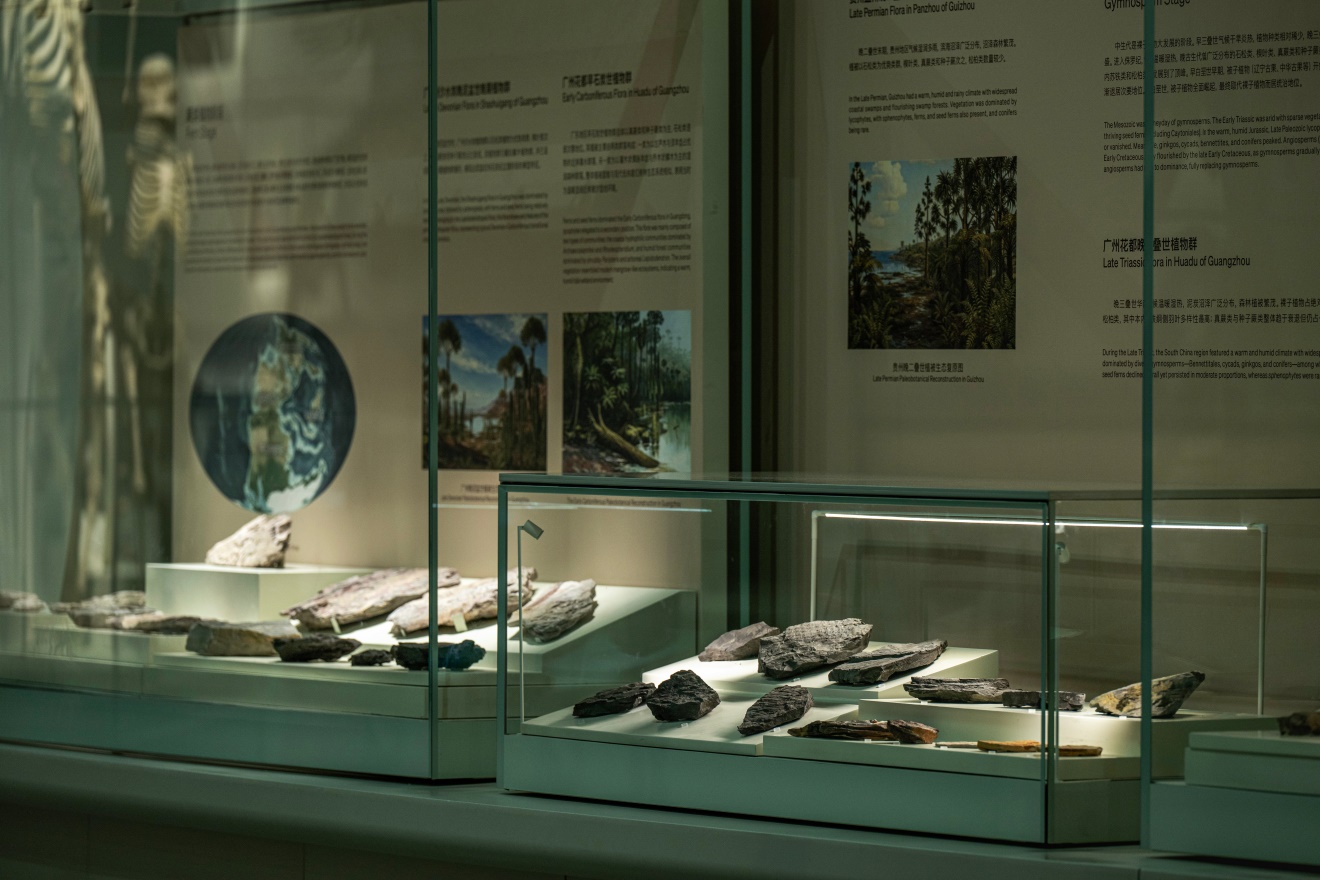
Within the central showcases, OCULARC track-mounted showcase luminaires are integrated discreetly into the display structure.
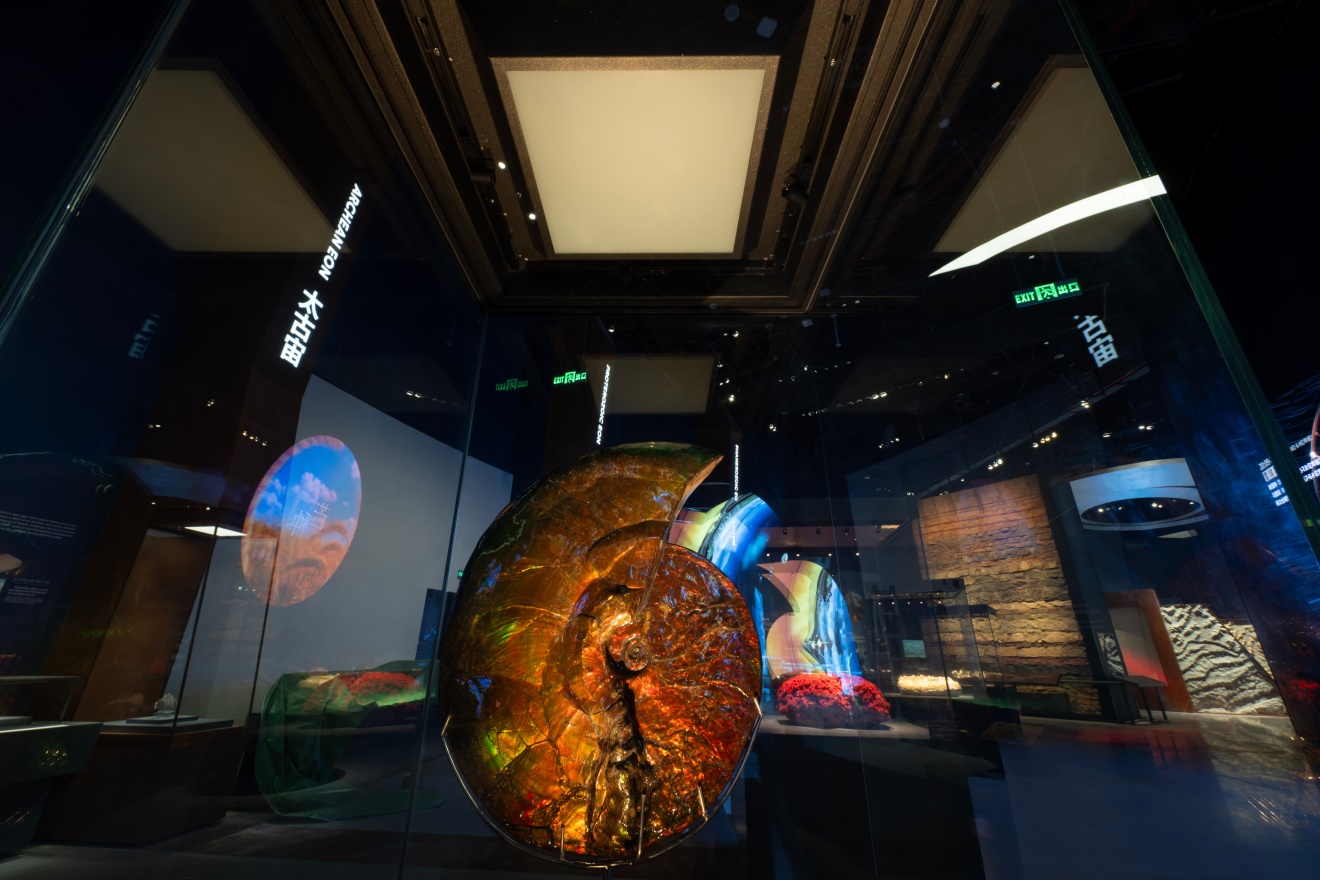
Central Showcases
Precise, controlled light reveals the textures and surface qualities of minerals and rock specimens, while the luminaire's 30° shielding angle helps reduce glare and keeps visual attention focused on the exhibits. Other showcases feature LEDme® Air, designed around an ultra-slim Ø8 mm luminaire body that minimizes the visual presence of the lighting equipment.
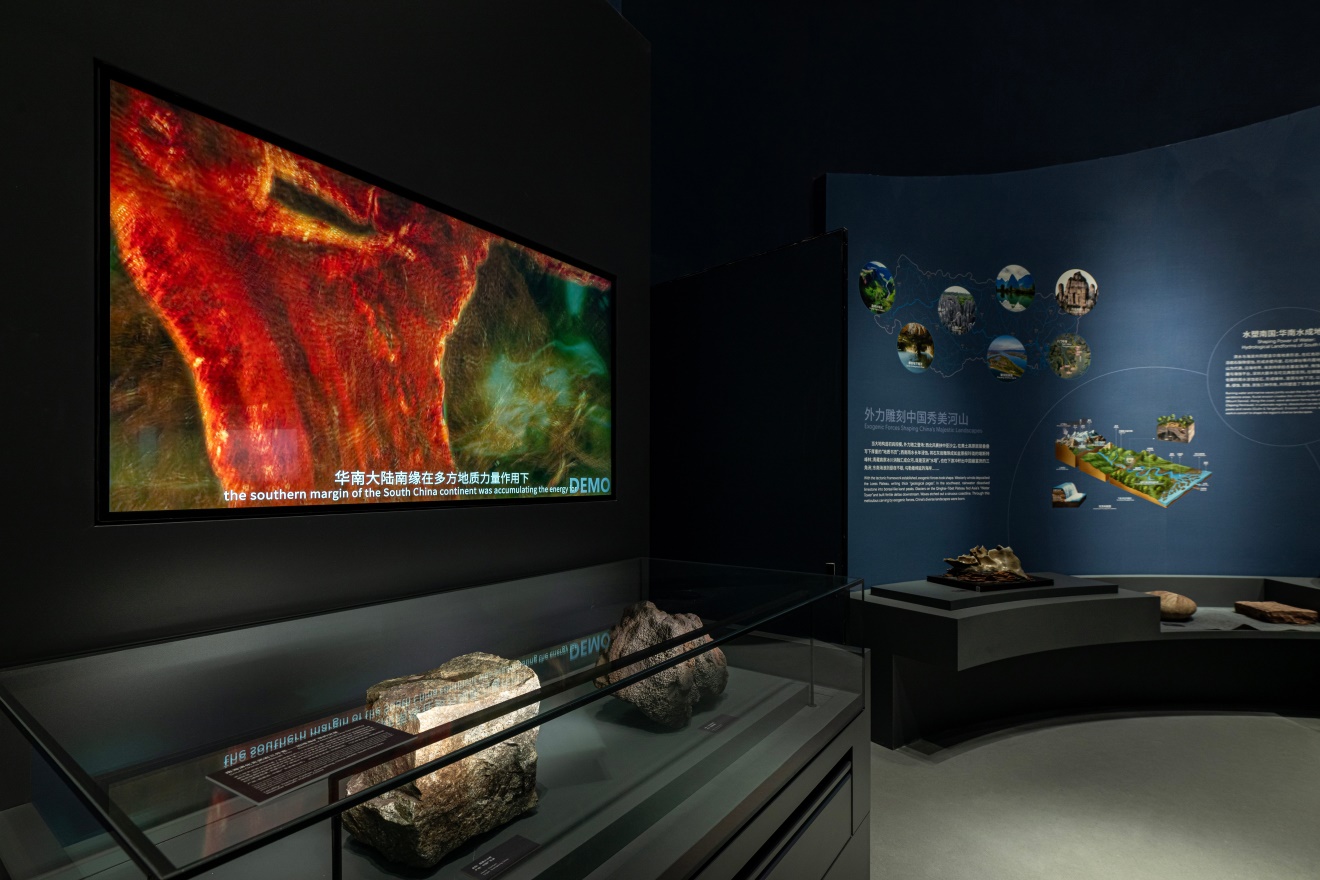
Minimal-Profile Showcase Lighting
The compact form allows the luminaire to integrate naturally into the showcase structure while maintaining clear sightlines to the objects on display. LEDme® Air also offers 0–360° rotational adjustment and a 50–400 mm height-adjustable stem , allowing the position and direction of light to be adapted to different object sizes, forms, and display arrangements. This flexibility enables precise illumination while maintaining a clean and unobtrusive showcase environment.
EVOLUTION HALL
Drawing on an extensive fossil collection, the Evolution Hall traces 3.8 billion years of biological evolution, from microorganisms to vertebrates and early aquatic life to mammals.
The gallery is organized around a circular spatial layout that brings together graphic displays, three-dimensional exhibits, and illuminated showcases. Along the main evolutionary gallery, the large-scale and irregular exhibition space called for a lighting system that could provide both general illumination and flexibility as displays evolve.
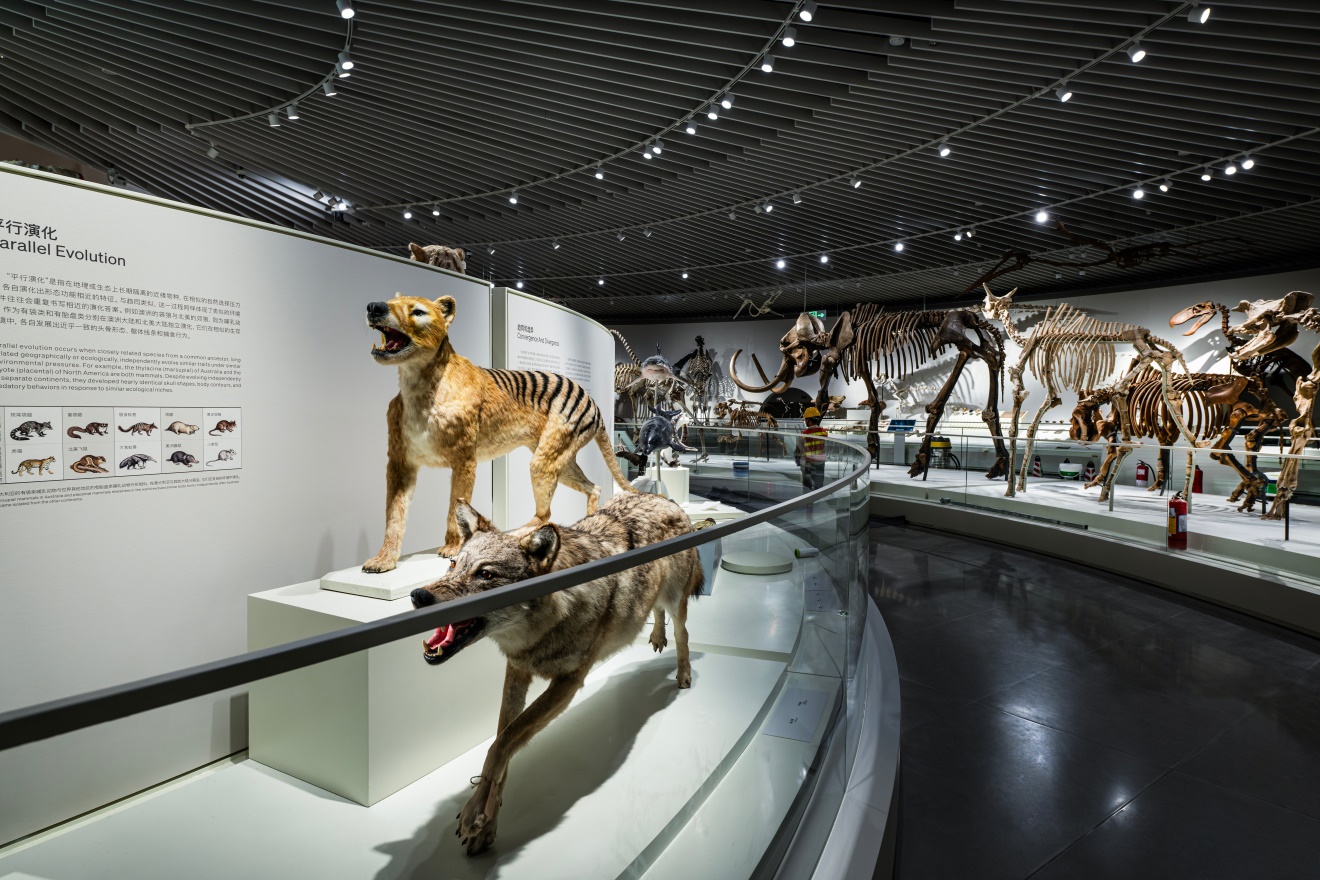
SWALLOW Ⅲ track luminaires
WAC developed custom curved tracks integrated with SWALLOW Ⅲ track luminaires, allowing the lighting to follow the architecture while adapting to the position and scale of individual exhibits.
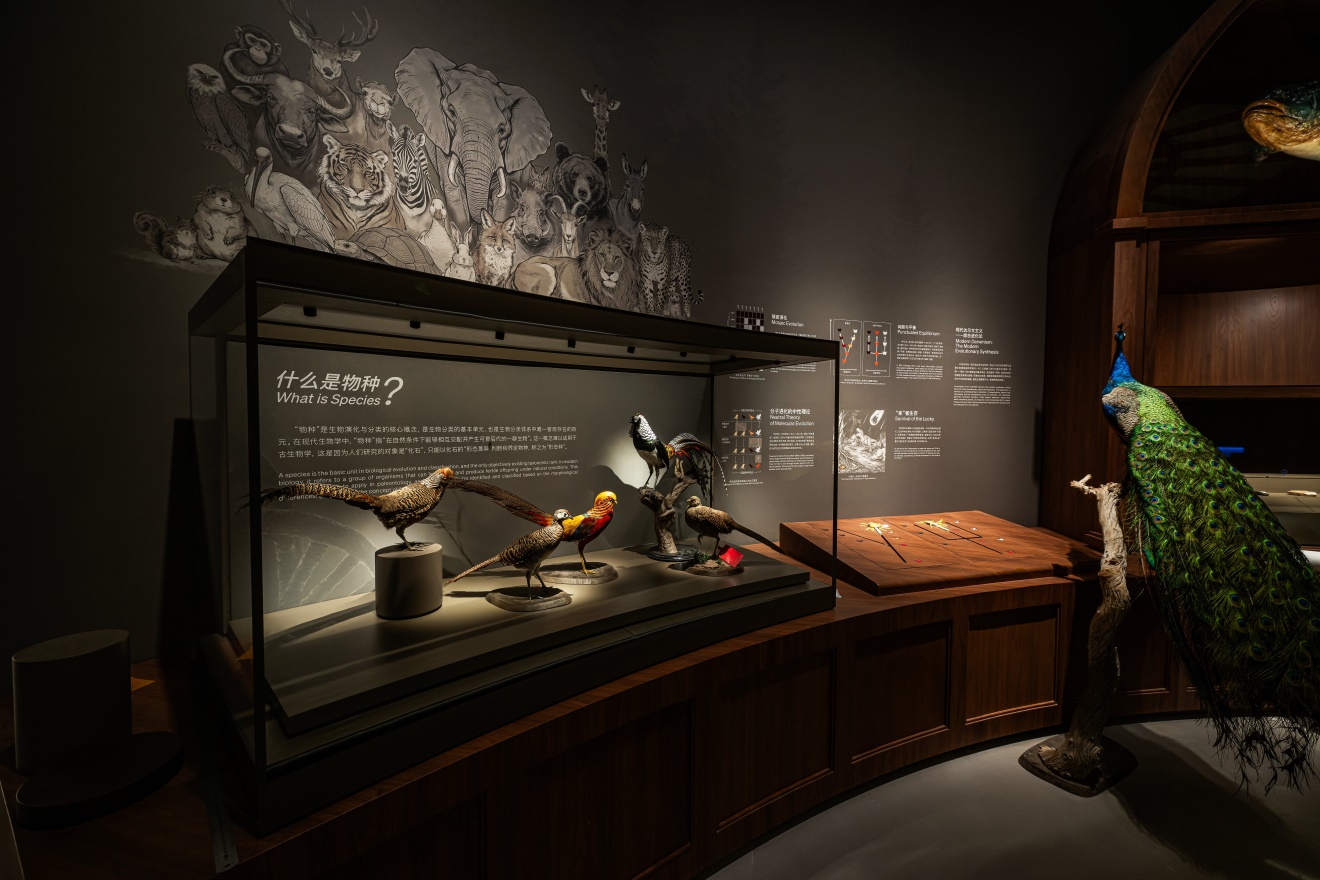
Inside the showcases, OCULARC showcase luminaires illuminate a wide variety of biological specimens. Available in 3000K, 3500K, and 4000K, the system allows the color temperature to be selected according to the characteristics of different exhibits. High color rendering helps reveal subtle variations in feathers, bones, shells, and other natural materials.
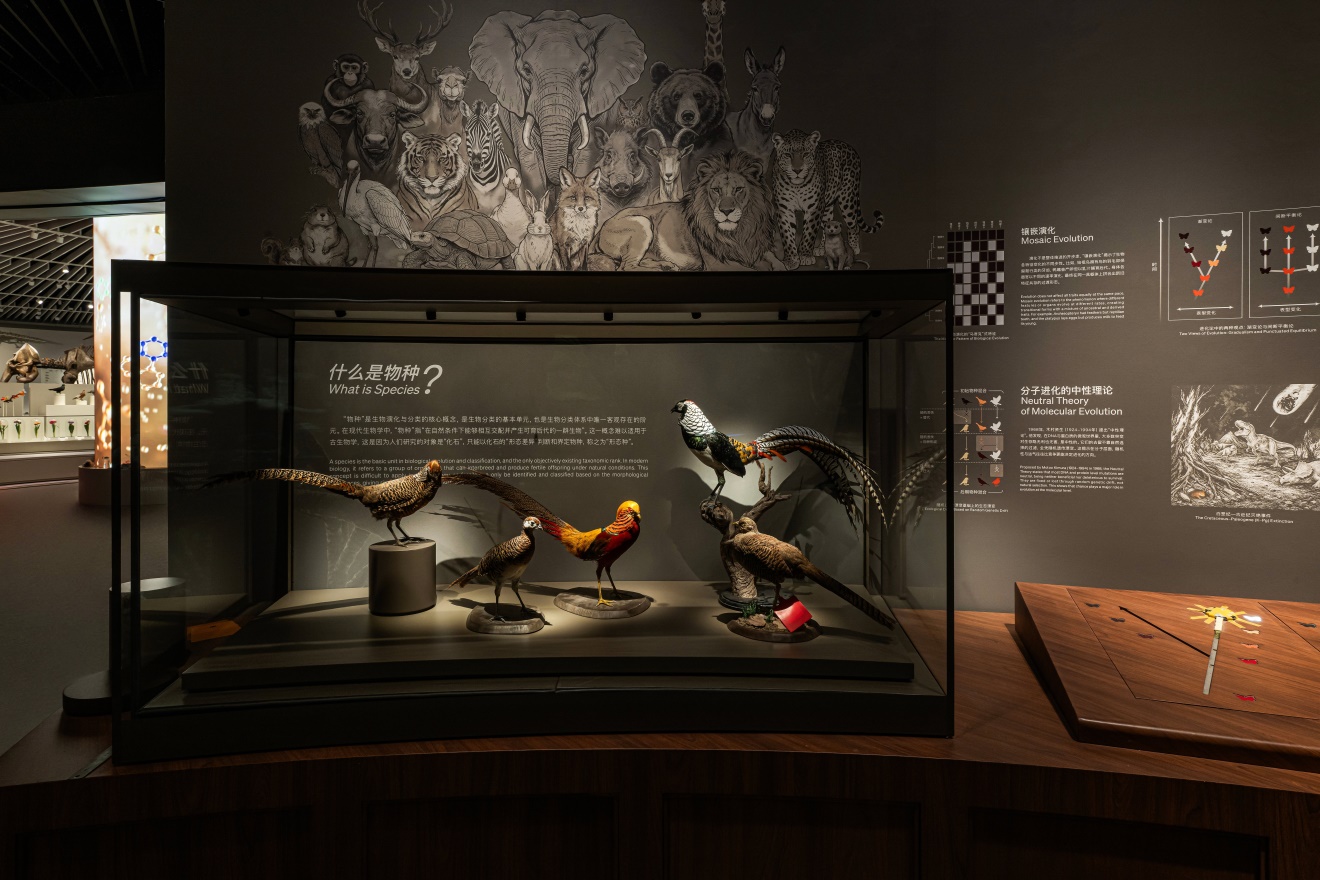
For showcases with more complex forms, OCULARC FOCUS Adjustable Pole luminaires provide additional flexibility. Their stem -mounted installation can be integrated without modification to the showcase structure, making them particularly suitable for biological models, irregular displays, and showcases of different dimensions.
The adjustable system allows light to be positioned precisely around each exhibit while keeping the installation visually discreet.
DINOSAUR HALL
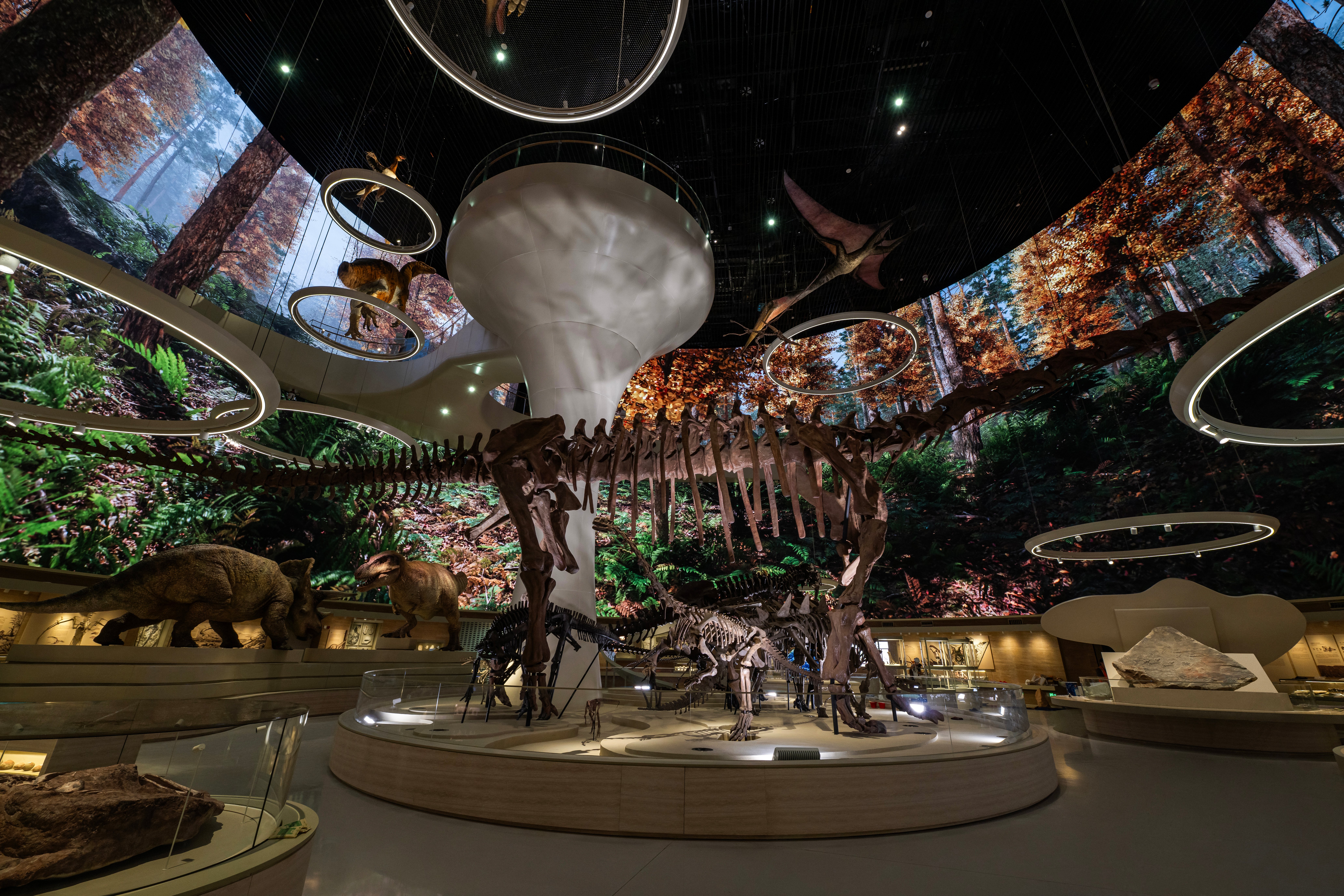
Covering 1,217 square meters, the Dinosaur Hall is centered around a series of monumental dinosaur skeletons displayed within a dramatic, high-ceilinged exhibition space.
The scale of the gallery introduced several lighting challenges: long projection distances, beam control, and glare, while the skeletal structures required illumination at multiple heights and viewing angles.
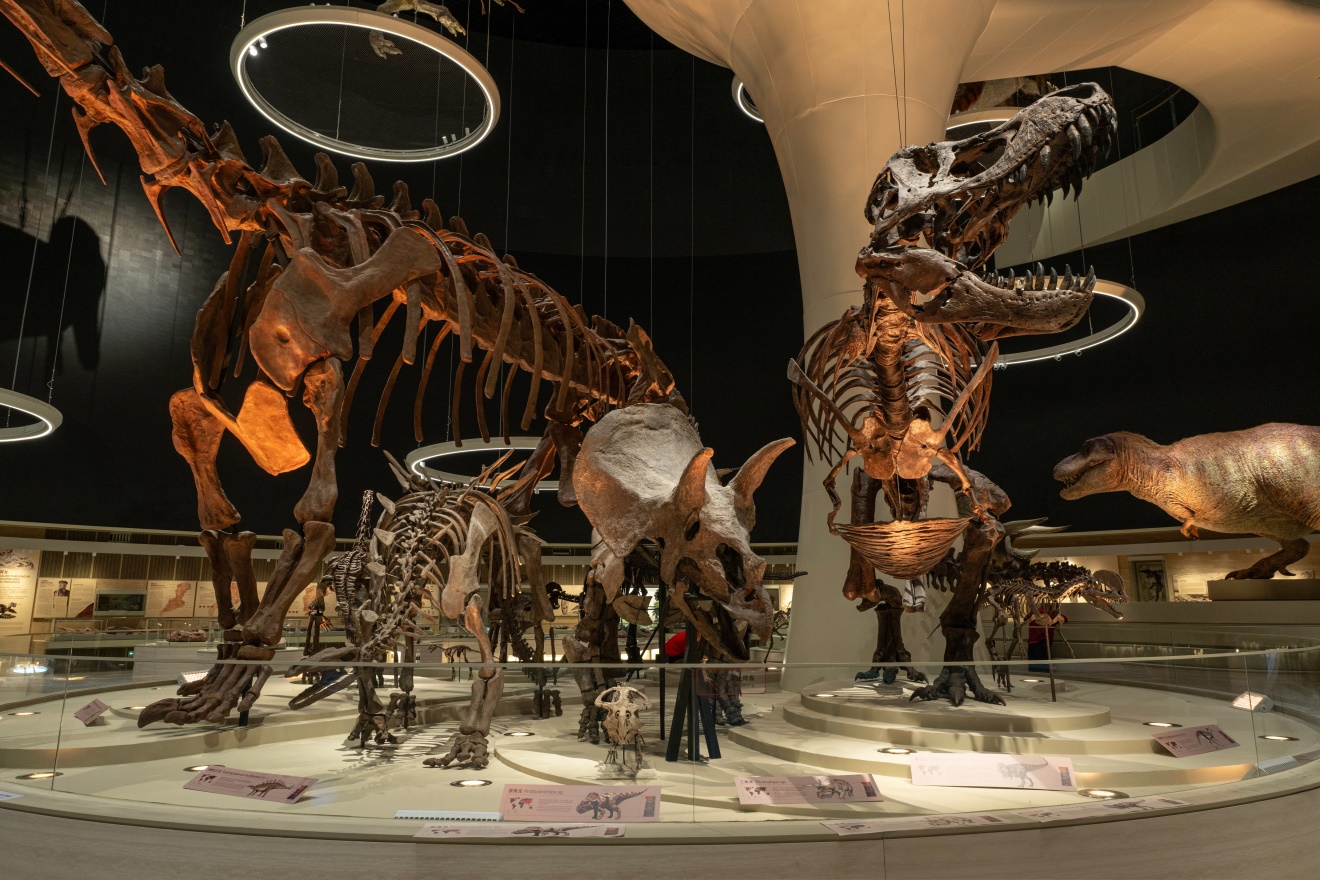
Lighting from Above and Below
To address the scale of the space, WAC developed a layered lighting strategy using both overhead and integrated low-level illumination.
At a high level, multiple custom suspended circular tracks are positioned at different heights throughout the gallery. Equipped with SWALLOW Ⅲ track luminaires, the system allows beam direction and aiming angles to be adjusted according to the position of individual skeletons and display platforms.

From below, FUEGO COMPACT in-ground luminaires provide supplementary uplighting to selected skeletal structures. Their concealed optical design helps illuminate key details from a lower angle while keeping visual distraction from the luminaires to a minimum.
Together, the two lighting layers provide greater control across the vertical scale of the exhibits while preserving the dramatic expanse of the hall.
BIOLOGY HALL
The Biology Hall brings together animal specimens of widely varying scales, forms, and postures, creating very different lighting challenges from one display to another.
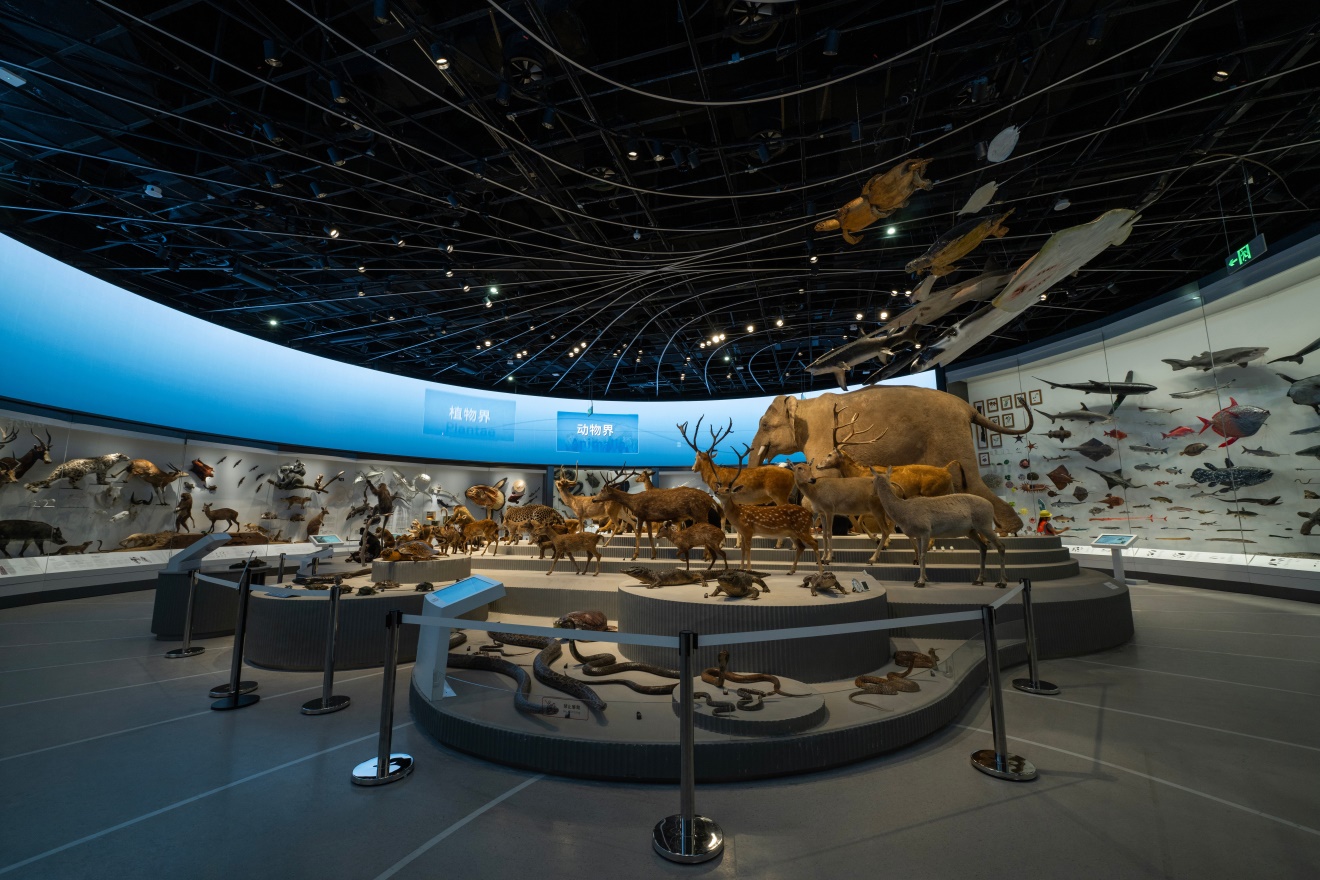
Rather than applying a uniform lighting scheme, the design required the beam distribution and aiming to respond individually to the scale and position of each specimen.
The Ziggy low-voltage art track system is used to illuminate wall-mounted showcases. With its compact luminaire design, flexible optical configurations, and versatile mounting options, the ZIGGY series allows light to be precisely positioned within the showcases, creating layered illumination across exhibits of different scales and forms.
ECOLOGY HALL
In the key display areas of the Biology Hall, animal specimens vary widely in scale, form, and posture, each requiring a different lighting approach. The challenge was to create a flexible lighting strategy that could respond precisely to the size, position, and visual characteristics of each specimen.
FALCON SQUARE track luminaires were selected for the key display areas, with beam angles ranging from an ultra-narrow 4° to a wide flood of 60°.
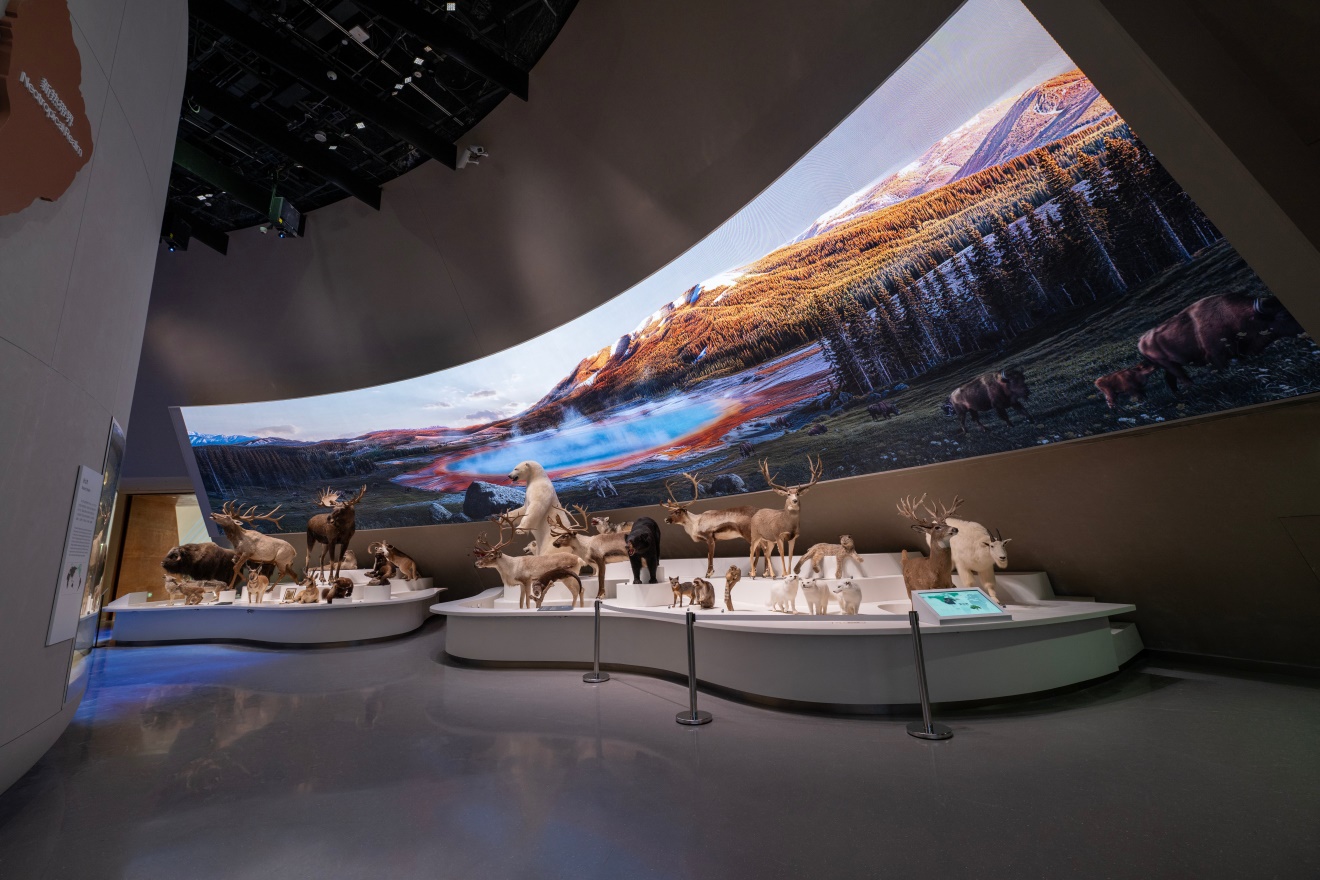
This broad optical range allows tightly focused accent lighting for smaller or more distant details, as well as wider distributions for larger specimens and display groups.
The luminaires also incorporate WAC’s patented SUBROSA® concealed-light technology, minimizing the visual presence of the light source and allowing attention to remain on the exhibits themselves.
The result is a flexible lighting system that accommodates the diversity of the collection without introducing unnecessary visual clutter into the gallery.
Across the Shenzhen Natural History Museum, the lighting strategy responds to a wide range of exhibition conditions—from expansive immersive galleries and monumental skeletal displays to finely detailed showcases. By combining architectural lighting, precision showcase illumination, customized track systems, and flexible optical solutions, WAC created a cohesive lighting environment that supports both the spatial narrative and the diverse characteristics of the exhibits.
Rather than drawing attention to the luminaires themselves, the lighting remains carefully integrated into the architecture and display systems, allowing the specimens, models, and exhibition content to take center stage.